

Civic place, buildings & belonging
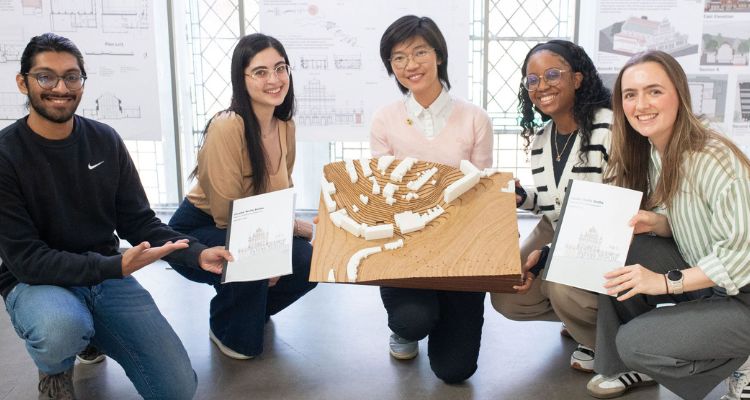
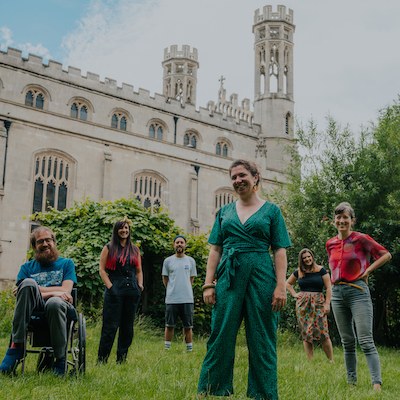
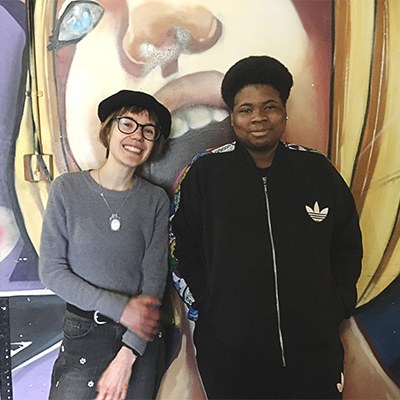
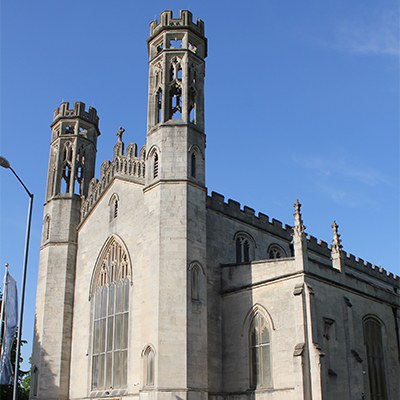
As part of the Saving Jacobs Wells Baths development phase, funded by The National Lottery Heritage Fund, heritage engagement specialists Local Learning have been working with 5 MArch Students from University of the West of England (UWE), City of Bristol College students on the Pathways to Independent Living course, Children from Willow Park Primary and accessibility practitioners Daisy Holder and David Ellington, to understand how accessibility in heritage spaces is not a nice to have but fundamental to how the building will function as a civic space.
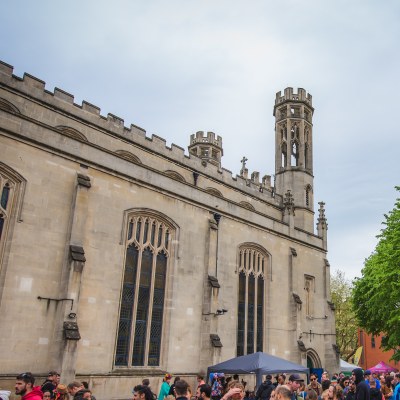
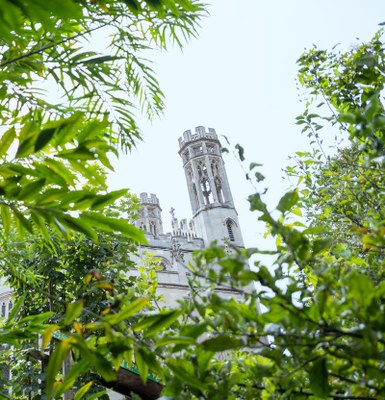
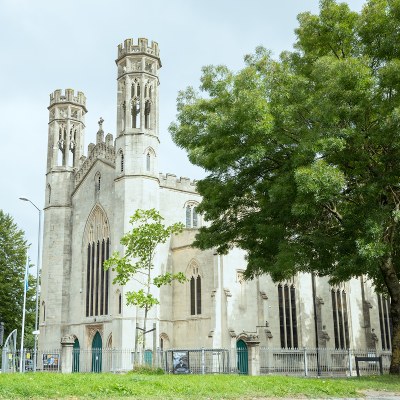
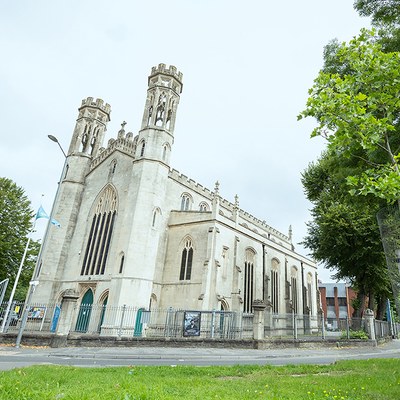
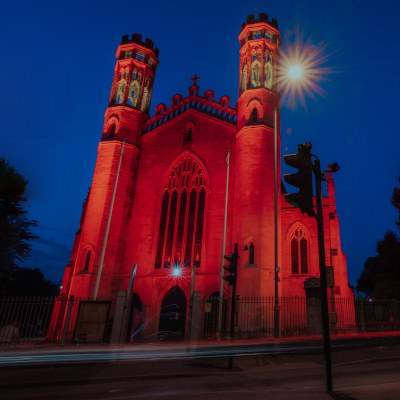
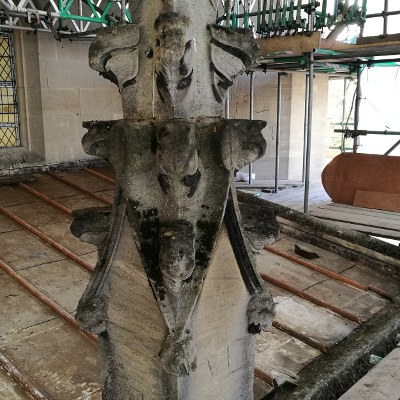
With Phase 1 capital repairs live, plans for Phase 2 renovations will attempt to address some of the issues that have long held the building back. The former Victorian bathhouse suffers from being largely inaccessible with no lift provision and a complex arrangement of split levels and changes in floor height, meaning there is no level access throughout the building. This has historically limited who can use the space also limiting its viability. The inability for some participants to physically access the building as part of the design works limited their ability to engage fully in the design process, reinforcing that without full accessibility, the building cannot support meaningful participation or co-creation as a civic and cultural hub.
Through co-design sessions, disabled young people worked with the architecture students from UWE to develop proposals for a fully accessible youth space within the Baths. Their insights, grounded in lived experience of navigating the city, directly informed spatial design, circulation, and the social use of the building.
Many participants had no prior experience of youth spaces, reflecting the sustained closure of youth provision and limited access to dedicated, inclusive spaces within the immediate locality. This underscores both a critical infrastructure gap and the importance of designing environments that are genuinely accessible from the outset.
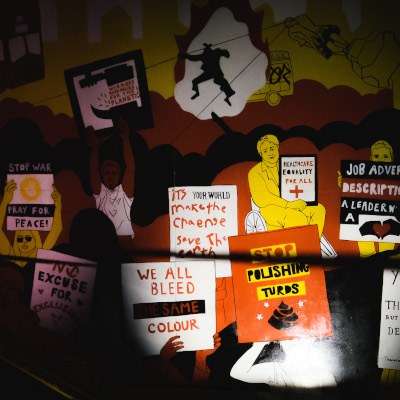
The student’s work also begun to articulate a unifying creative vision for the Baths that will underpin the building’s reimagining as a cultural powerhouse for Central Bristol Drawing on the building’s layered histories and future potential, UWE architecture student Nghi developed a framework that distilled these diverse narratives into five overarching themes: Resistance, Rhythm, Reflection, Flow and Imprint.
These themes capture the Baths’ evolution, from civic infrastructure to dance space to future cultural hub and provide a conceptual foundation for how the building could be experienced, programmed and interpreted.
The students work is informing technical designs being created by Architects PH3 Design. As part of the design consultation PH3 have also worked with accessibility specialists WECIL to refine and improved accessibility of the site, as part of Phase 2 capital work plans. A full accessibility audit can be seen here.
Sean Redmond, Architect from Ph3 Design said:
“Ensuring we weave accessibility throughout ever changing floor levels of this complex, listed building, has been a significant challenge that has benefitted hugely from the consultation and engagement events that the team has organised. We’re determined to ensure that when we’re finished, everyone – irrespective of their access needs - will be able to access all areas of the building and we can’t wait to welcome people of all access abilities into this magnificent new community and cultural hub.”
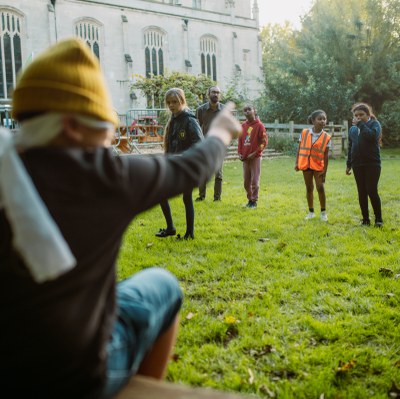
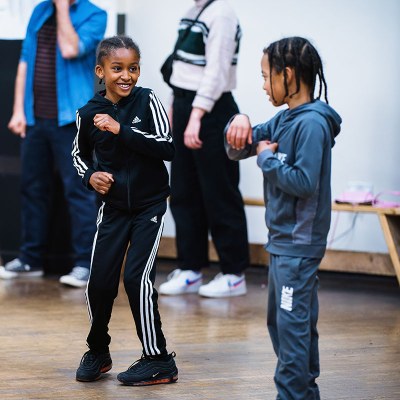
Through this process, children shared their experiences of the public realm, what feels welcoming, unfamiliar or out of reach, showing that accessibility is not just physical, but also about permission, ownership and cultural connection.
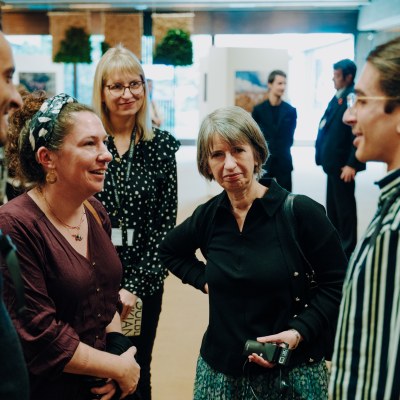
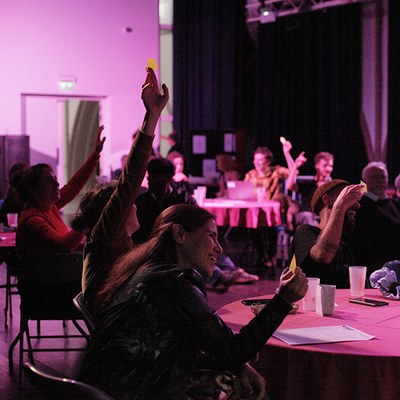
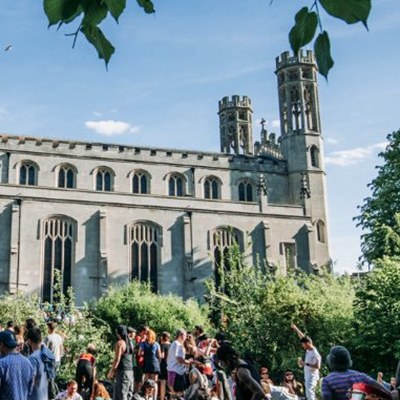
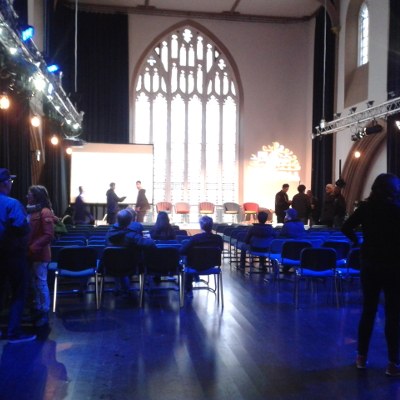
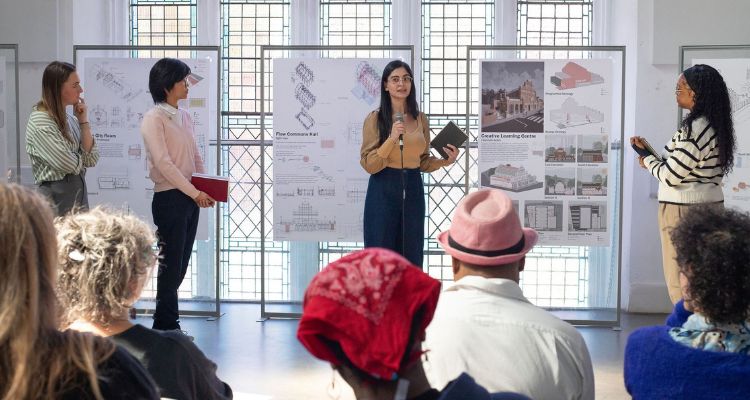
The work developed through this programme was presented publicly at a Reflection & Sharing session on 23 April 2026, bringing together partners, artists, students and community participants to reflect on learning to date and explore the building’s future potential.
UWE students talked through their design proposals demonstrating how early-stage architectural thinking can be meaningfully informed by people with lived experience, embedding accessibility, inclusion and social use at the heart of the design process. The event also created space for reflection, linking past and present learning to future work.
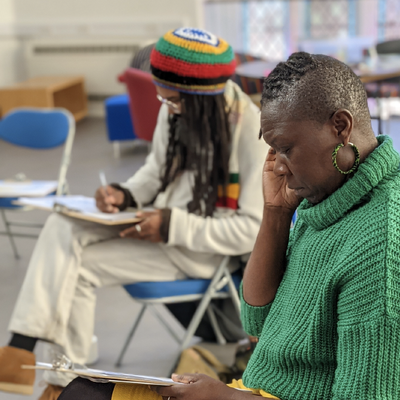
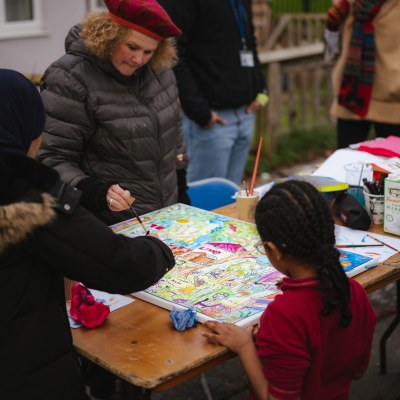
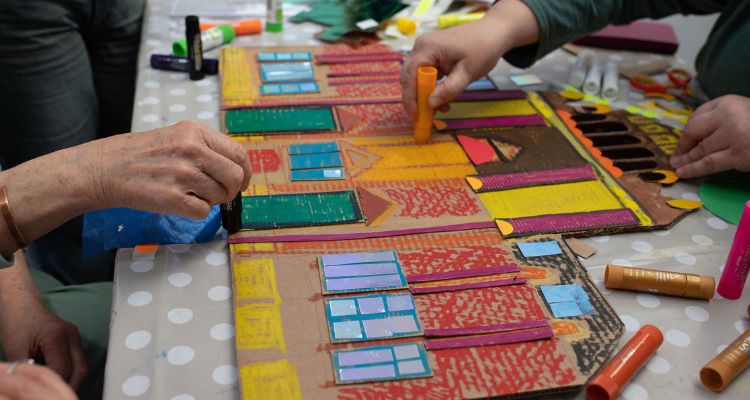
An interactive workshop led by Colourful Minds formed part of this wider engagement. It invited attendees to explore heritage, place and belonging, building on earlier work with children and young people including the Bristol–Bordeaux twinning exchange, funded by Bristol City Council, where children from after-school clubs at Evergreen, Hannah More, Easton and St Nicks primaries (with Willow Park to follow) created cardboard models of landmark buildings in both cities - such as La Rocher de Palmer, La Cité du Vin, Bristol Museum and Easton Jamia Masjid. Also facilitated by Laura from Colourful Minds, these sessions encouraged creativity, observation and a deeper connection to heritage.
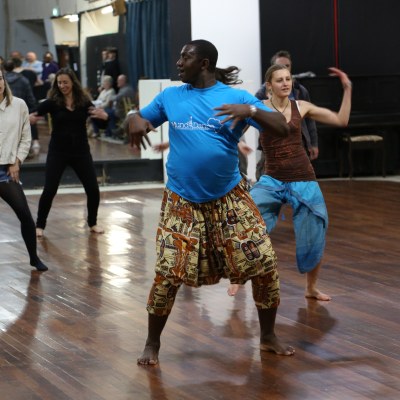
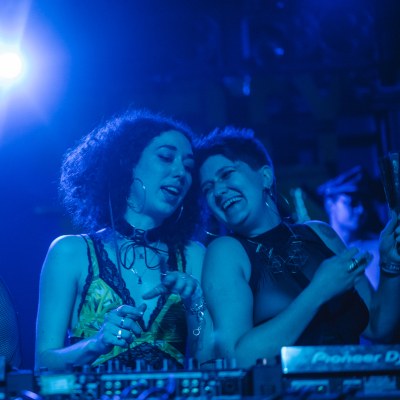
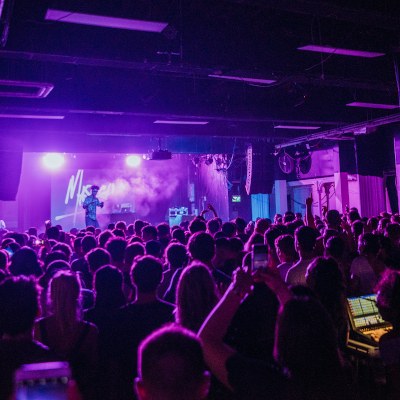
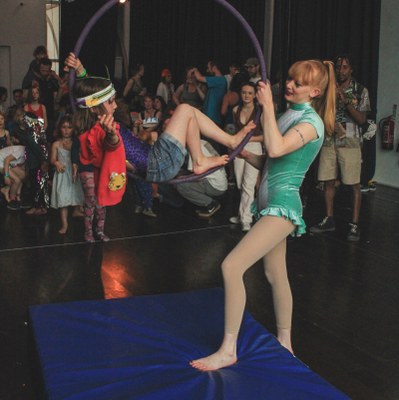
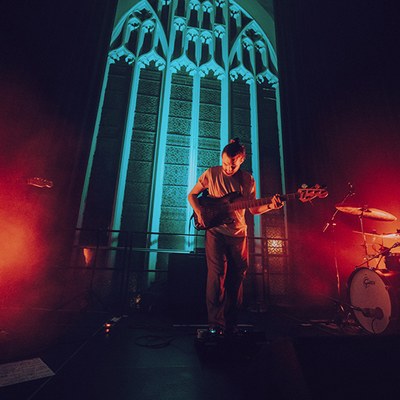
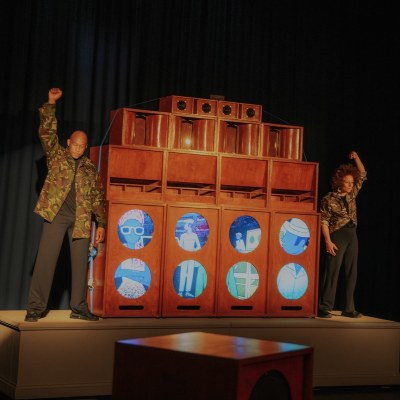
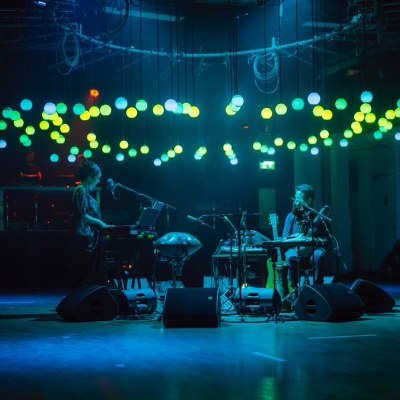
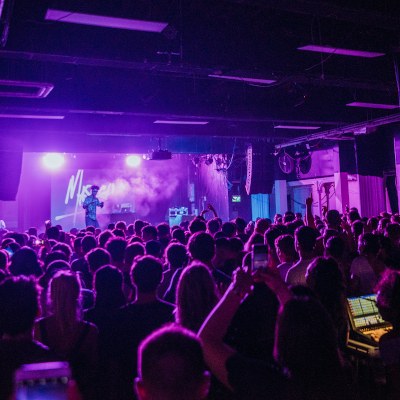
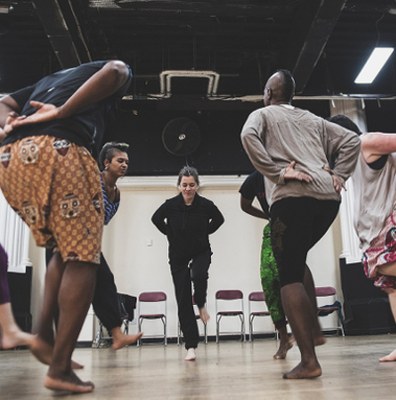
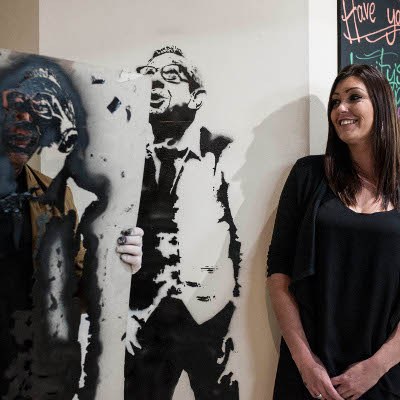
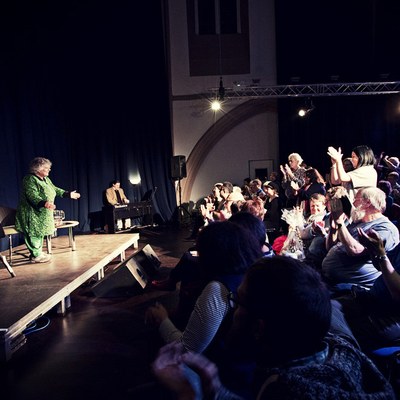
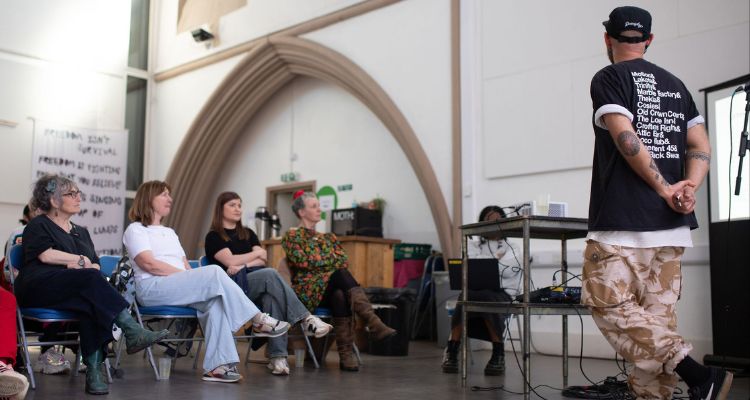
The event presented a series of site activations created as part of Art of the Possible, a pilot activation programme exploring how artists can work within the Baths during its restoration. To date, 11 Bristol-based artists have responded to the space across disciplines including music, spoken word and dance, helping to test how the building might function as a future cultural hub.
This work demonstrates the value of embedding creative, community-led thinking within the development process, ensuring the restored Baths are not only physically accessible, but also culturally meaningful and legible to those who use them. It shows that investment in accessibility goes beyond compliance, enabling Jacobs Wells Baths to function as inclusive social infrastructure shaped by and for the communities it serves. It reinforces the role of heritage spaces as welcoming and relevant to those historically excluded from cultural and civic life, and highlights accessibility as a collective process, strengthened through ongoing collaboration and knowledge-sharing between practitioners, participants and future users.
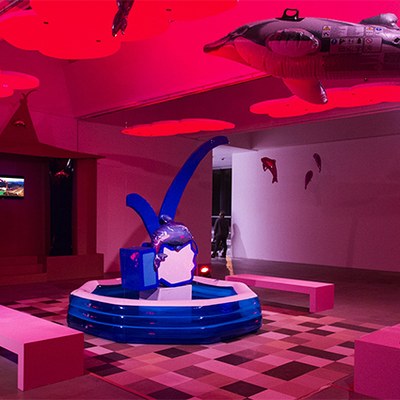
MA Arch Designs
Creative Learning Centre by Fatemeh Azimi
Creative Youth Commons by Zayanah Xoagus
Flow Commons Hall by Nghi Tran
Shared Studio & Gallery by Mae Blower
The City Room by Anirudh Prabhakar
Photos by Shamphat Productions