

Supporting Youth Voice Through Artist‑Led Practice
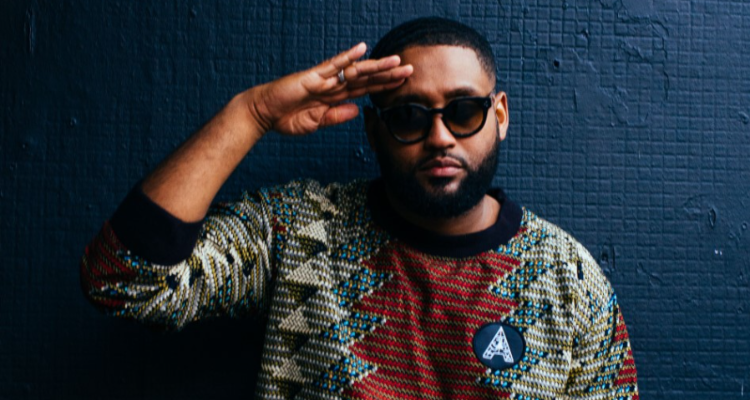
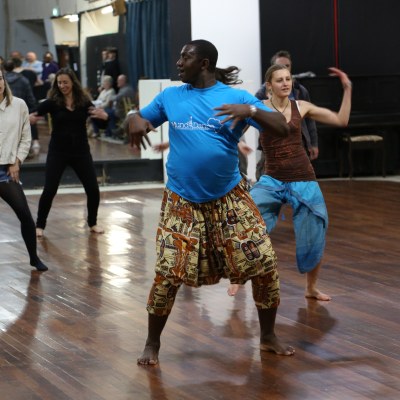
MoYah is an Afro‑fusion Hip Hop artist and cultural producer whose work explores identity, heritage and social justice. Born in Mozambique and raised in Portugal, his creative practice is rooted in lived experience and community connection. Since moving to Bristol, MoYah has been closely involved with Trinity Community Arts, contributing to youth‑focused creative programmes, collaborative projects and spaces that centre Black creatives and cultural expression.
Who is MoYah, and how did your relationship with Trinity Community Arts begin?
I’m an Afro‑fusion Hip Hop artist and cultural producer. My work is shaped by themes of identity, heritage and social justice.
My relationship with Trinity began when I first moved to Bristol and was looking for a connection. I came across Black Creatives, which had just started at the time, and I’ve been attending since the very first meetup. That space helped me connect with other creatives in the city, and over time it’s grown into something consistent, with regular events and shared purpose.
I’m now part of the board, where we help promote each other’s work, share opportunities and organise monthly sessions and outings. The relationship with Trinity has developed naturally over the years, and it’s become an important base for both my creative work and collaborations.
What projects are you working on at Trinity Community Arts?
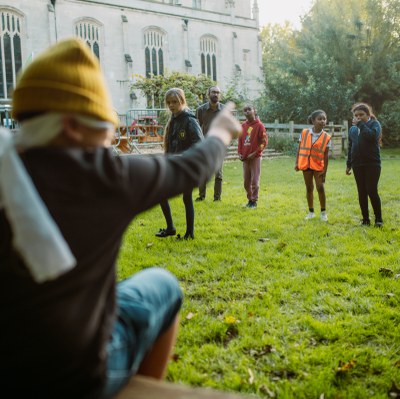
I’ve been leading the Speak Out project alongside Sukina Noor, delivering workshops and mentoring sessions with young creatives based in Bristol. We’re also working with Patchwork Prod on a video that captures participants’ growth and development throughout the programme.
I’ve used spaces at Trinity for a range of other projects too, including sessions from the Hip Hop Garden programme, which I’m delivering in collaboration with Bristol Drugs Project. As part of that work, participants used the studio to record a track and rehearse together, which was a powerful and meaningful process.
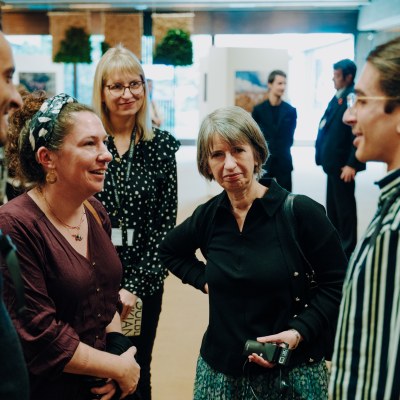
In addition, Trinity hosts our Black Creatives monthly sessions, providing a consistent and welcoming space for people to come together, share ideas and support each other’s work.
Where do you see gaps in youth provision for young people in Bristol?
One of the biggest gaps is the lack of consistent, long‑term support. There are some amazing initiatives across the city, but many are short‑term or underfunded, which makes it difficult to build trust and real progression with young people.
I also see a gap in creative pathways that genuinely lead somewhere. Young people are often encouraged to express themselves, but not always supported to turn that expression into skills, opportunities or careers.
There’s also a real need for culturally relevant spaces where young people feel safe and supported to explore their heritage, talk honestly about the challenges they face, and speak their truth without feeling judged or limited.