<?xml version="1.0" encoding="utf-8" ?>
<rdf:RDF xmlns:rdf="http://www.w3.org/1999/02/22-rdf-syntax-ns#" xmlns:dc="http://purl.org/dc/elements/1.1/" xmlns:syn="http://purl.org/rss/1.0/modules/syndication/" xmlns="http://purl.org/rss/1.0/">


<channel rdf:about="https://www.trinitybristol.org.uk/activities/citizens-for-culture/highlights/RSS">
  <title>Highlights</title>
  <link>https://www.trinitybristol.org.uk</link>

  <description>
    
      Find out more about Citizens For Culture
    
  </description>


            <syn:updatePeriod>daily</syn:updatePeriod>
            <syn:updateFrequency>1</syn:updateFrequency>
            <syn:updateBase>2024-09-12T23:06:55Z</syn:updateBase>
        

  <image rdf:resource="https://www.trinitybristol.org.uk/logo.png"/>

  <items>
    <rdf:Seq>
      
        <rdf:li rdf:resource="https://www.trinitybristol.org.uk/about/news/latest-news/what-is-a-citizens-assembly"/>
      
      
        <rdf:li rdf:resource="https://www.trinitybristol.org.uk/about/news/latest-news/opinion-voices-in-decision-making"/>
      
      
        <rdf:li rdf:resource="https://www.trinitybristol.org.uk/about/news/latest-news/q-a-what-is-a-citizens-assembly-for-culture"/>
      
      
        <rdf:li rdf:resource="https://www.trinitybristol.org.uk/about/news/latest-news/become-a-citizens-for-culture-associate"/>
      
    </rdf:Seq>
  </items>

</channel>


  <item rdf:about="https://www.trinitybristol.org.uk/about/news/latest-news/what-is-a-citizens-assembly">
    <title>What is a Citizens' Assembly?</title>
    <link>https://www.trinitybristol.org.uk/about/news/latest-news/what-is-a-citizens-assembly</link>
    <description>Reflecting on our series of research sessions exploring how citizens can co-create a cultural strategy
</description>
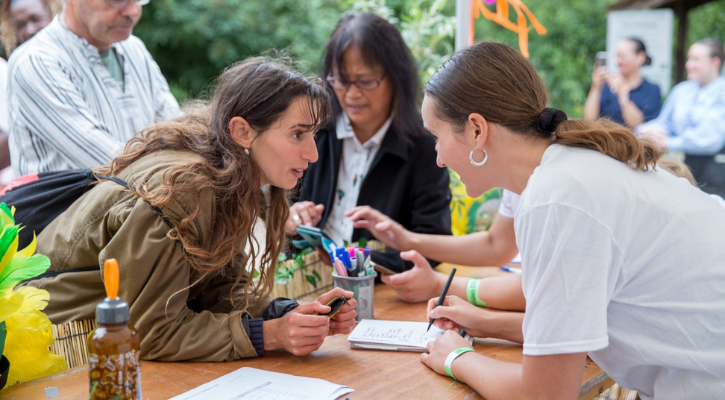
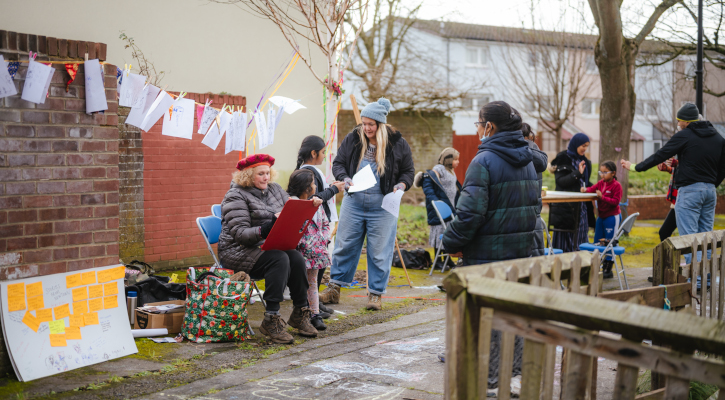
    <content:encoded xmlns:content="http://purl.org/rss/1.0/modules/content/"><![CDATA[<p dir="ltr"><img src="https://www.trinitybristol.org.uk/about/news/latest-news/DSC_1058.jpg" alt="Community Painting Day" class="image-inline" title="Community Painting Day" /></p>
<p dir="ltr"><span class="discreet">Community Painting Day. Photo credit: Khali Ackford</span></p>
<p dir="ltr">In partnership with St Paul’s Carnival and David Jubb of Citizens In Power, Trinity are exploring how we can co-create a cultural strategy for the c<a href="https://www.trinitybristol.org.uk/about/news/latest-news/can-bristol-co-create-for-the-future" class="internal-link">ity and surrounding region</a>.</p>
<p dir="ltr">During this research phase funded by Calouste Gulbenkian Foundation (UK Branch), we invited a range of collaborators from the sector who place participation at the heart of their practice to hear from some of the best speakers working in democratic decision making right now.</p>
<p dir="ltr">These focus groups have been a chance to share ideas, experiences, knowledge and expertise on co-creation, participatory democracy and how we can do things differently in the culture sector.</p>
<p dir="ltr">In a series of blogs we are documenting and sharing what we are uncovering this journey.</p>
<p dir="ltr"><strong>Part 1: What is a Citizens' Assembly?</strong></p>
<p dir="ltr">For the first focus group we welcomed Brett Hennig, co-founder of the Sortition Foundation. The Sortition Foundation is an organisation that believes in representative and participatory politics, with a particular focus on Citizens' Assemblies.</p>
<p dir="ltr">The purpose of these assemblies, Brett outlined, is that they bring people together from all walks of life and give the time and space for people to collectively tackle issues. It is a model, Brett shared, that Bristol itself has delivered as part of its plan for <a class="external-link" href="https://thebristolcable.org/2021/03/experiment-democracy-inside-bristols-first-ever-citizens-assembly-climate-transport/">post-Covid recovery.</a></p>
<p dir="ltr">Citizens' Assemblies work by a three-part process of learning, discussion, and decision-making. In the learning stage, evidence is presented on the topic by ‘expert witnesses’, the group then discuss this evidence and work together to come to a consensus to create recommendations. These recommendations are then put to the vote. The recommendations that are most supported can become the official recommendations of the assembly.</p>
<p dir="ltr">Brett stressed the importance of having representation in a Citizens' Assembly, so the pool must be reflective of demographic data and, in the case of our project, cultural engagement. He shared that, unlike politics, Young People (30 and under) are represented in Citizens' Assemblies because of the nature of the selection process that reflects a city’s demographic data.</p>
<p dir="ltr">Participants of Citizens' Assemblies are selected via an independent third party - these organisations will initially contact citizens directly using a database, such as the Royal Mail’s database of every postal address in the UK. There is then a second selection of the people who respond to the invitation based on the demographic data they provide.</p>
<p dir="ltr">The group were interested in how the experts are selected - as this could be contentious. Using an example of congestion in a city, Brett explained that a Local Authority could commission an external third party to collect the evidence at hand, perhaps from an open call out. An Oversight Group for the assembly will be given the responsibility for ensuring the evidence that is presented to the assembly is balanced. Assembly members can also be part of the process of identifying contributors to the assembly. This would enable a wider pool of opinions, practically from those invested in the topic with expertise and/or lived experience.</p>
<p dir="ltr">The group wanted to understand how large a Citizens' Assembly should be. Brett shared that, in deliberative democracy, it is not a big numbers game. The key is representation. Brett shared that in Ireland, assemblies have seen numbers of up to 100 people, France had 150 in the Climate Assembly, but many local assemblies are around 40 people.</p>
<p dir="ltr">In summarising his talk, the discussion centred around how to ensure that voices are heard and amplified in Citizens' Assemblies, specifically those from Communities who may face barriers to participation. Brett shared that perhaps over-representation could be a consideration so that more communities are attending for specific areas whose voices are historically not amplified. Brett also explained that representation is not only about the citizens in the assembly but also about the voices of those who give evidence.</p>
<p dir="ltr"><strong>Interested in finding out more?</strong></p>
<p>We will continue to share our findings from the research stage our project alongside programming further focus groups and action-learning sessions.</p>
<ul>
<li>Keep up-to-date about the project by joining our<a class="external-link" href="https://my.trinitybristol.org.uk/civicrm/?civiwp=CiviCRM&amp;q=civicrm%2Fgdpr%2Fcomms-prefs%2Fupdate&amp;reset=1&amp;cid=12051&amp;cs=5f4fce0d5881ed2cc33b8e96128ab16a_1631783959_1680"> mailing list</a></li>
<li>Read Freddie Wulf's article: <a href="https://www.trinitybristol.org.uk/about/news/latest-news/identity-capital" class="internal-link">Identity Capital</a></li>
<li>Watch Trinity's take over of the <a class="external-link" href="https://www.youtube.com/watch?v=H-QzEMV7ZVU&amp;list=PLx2v-Ys1Yf1hYMgrEUdEUVjwH8LmhhyfR&amp;index=2">Radix Big Tent</a></li>
<li>Join in the conversation using #67MillionVoices</li>
</ul>
<p><img src="https://www.trinitybristol.org.uk/about/news/latest-news/Calouste_Gulbenkian_Foundation.jpg/@@images/3e319a86-e5f4-47b6-931e-7f3cbaa5ca98.jpeg" alt="" class="image-inline" title="" /></p>]]></content:encoded>
    <dc:publisher>No publisher</dc:publisher>
    <dc:creator>sarah</dc:creator>
    <dc:rights></dc:rights>
    
      <dc:subject>citizens for culture</dc:subject>
    
    
      <dc:subject>community</dc:subject>
    
    
      <dc:subject>anjali</dc:subject>
    
    
      <dc:subject>highlight</dc:subject>
    
    
      <dc:subject>assembly</dc:subject>
    
    <dc:date>2022-11-22T08:00:00Z</dc:date>
    <dc:type>News Item</dc:type>
  </item>


  <item rdf:about="https://www.trinitybristol.org.uk/about/news/latest-news/opinion-voices-in-decision-making">
    <title>Opinion: Voices in Decision-Making</title>
    <link>https://www.trinitybristol.org.uk/about/news/latest-news/opinion-voices-in-decision-making</link>
    <description>LaToyah McAllister-Jones, Executive Director of St Pauls Carnival, reflects on her experiences of facilitating democratic decision-making.</description>
    <content:encoded xmlns:content="http://purl.org/rss/1.0/modules/content/"><![CDATA[<p><img src="https://www.trinitybristol.org.uk/about/news/latest-news/smallercKhaliAckfordkhaliphotographyGlasto24Terminal139.jpg" alt="" class="image-inline" title="" /></p>
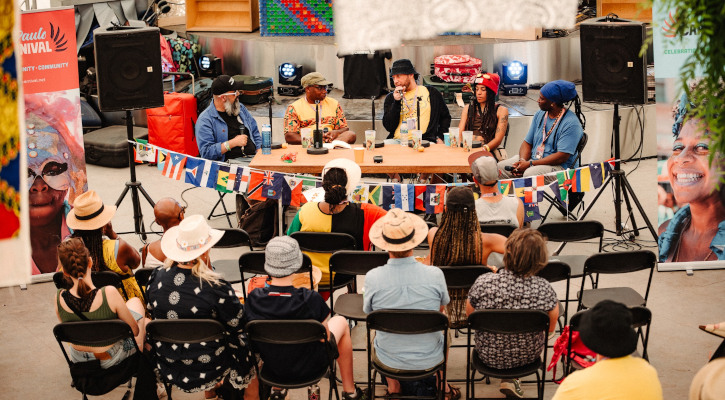
<p><span class="discreet">St Pauls Carnival Panel Discussion at Glastonbury Festival 2024 - Image Credit: Khali Ackford</span></p>
<p>Trinity is committed to creating ways in which citizens can take an active role in shaping arts and culture. As part of this commitment we are connecting with leading voices in the cultural sector to ask them to share their thoughts on the different civic and democratic tools that we as citizens can access. In the second in our series of opinion pieces exploring civic participation LaToyah McAllister-Jones, Executive Director of <a class="external-link" href="https://www.stpaulscarnival.net/">St Pauls Carnival</a>, reflects on her experiences of using various tools to facilitate democratic decision-making.</p>
<p><strong>Opinion: Voices in Decision-Making, LaToyah McAllister-Jones</strong></p>
<div id="_mcePaste" style="width: 1px;"></div>
<p>I have always been attracted to work and play that enables people to have a voice. To be heard. After years of working with marginalised groups, from managing accommodation services for street homeless people to community organising in Hackney, I have developed an interest in the right to influence decisions being made about our lives.</p>
<p>One of the most interesting things about leading a community arts organisation is just how integral the community is to our work. St Pauls Carnival CIC is merely a custodian for the iconic event; we provide a stage and the community fills those spaces. Carnival celebrates African Caribbean talent in St Pauls and beyond as well as our culture and heritage. Our communities continue the traditions of our ancestors using music, dance and storytelling to share lived experiences and connect to our heritage. This is one of the most important things about our event: it allows us to tell our own stories, in our own words, using our voices.</p>
<p>In 2021, I was asked by Involve to facilitate   Bristol City Council's Citizens’ Assembly supporting policy development in housing, health inequalities and transport as the city emerged from Covid. The process was new to me, and I loved the way it cut through many of the challenges that we often come up against when engaging communities:</p>
<ul>
<li>Participants are randomly selected, and usually aren’t experts in the central assembly topic. There is a process to ensure that all participants are able to meaningfully contribute to the discussions, and this is critical to the success of an assembly.</li>
<li>The process seeks to facilitate consensus, rather than debate which tends to have a winner and a loser.</li>
<li>Participants are encouraged to explore what their real priorities are and what they might be prepared to forego for those priorities.</li>
<li>Assemblies bring together a diverse range of people who you wouldn’t necessarily find together in a traditional social setting. This creates an opportunity for vastly differing viewpoints to be heard and influence how others participants might think about a topic.</li>
</ul>
<p>St Pauls Carnival are currently delivering a Citizens’ Assembly for Culture in partnership with Trinity Community Arts, <a class="external-link" href="https://www.citizensinpower.com/">Citizens In Power</a> and <a class="external-link" href="https://www.westofengland-ca.gov.uk/">West Of England Combined Authority</a>. The idea developed just as we were coming out of the pandemic and thinking about the lessons learnt; particularly the role of community. Together, we were curious about what it would look like to use the assembly process - democratic, person-centred and thinking about strengths of a place, its people and its assets - to reimagine what the cultural offer could look like in the South West region.</p>
<p>Democratic decision-making allows citizens to actively contribute to the discourse that shapes their communities. We also believe culture is experienced by everyone, in many different ways, and everyone should be able to access the culture that represents them. If this is to be the ambition, it is vital that we put people at the centre of that process. This means understanding how people experience culture, what it means to them and, as cultural leaders, asking ‘how can we reflect this in our approach and programming?’</p>
<p>The new Labour Government expressed an interest in the use of Citizens’ Assemblies <a class="external-link" href="https://www.civilserviceworld.com/professions/article/labour-plans-citizens-assemblies-sue-gray">earlier this year</a>, and the format has been used to unpack challenging issues like <a class="external-link" href="https://involve.org.uk/news-opinion/opinion/citizens-assembly-behind-irish-abortion-referendum">abortion in Ireland</a>. The South West region is already embedding this approach into how we speak to our communities, and we are at the forefront of using assemblies to understand how we deliver for everyone, and not just those who can afford it or who have easy access to culture.</p>
<p>Our Citizens’ Assembly for Culture project offers an exciting opportunity to create a new approach to engaging people in the cultural life of a place. The Assembly will take place in Spring 2025 as a central programme within Culture West, funded by the West of England Combined Authority and Arts Council South West. The recommendations coming from this Assembly will become part of the regional approach to delivering a citizen-led cultural offer.</p>
<p><strong>Find out more about the Citizens' Assembly for Culture project:</strong></p>
<ul>
<li><strong><a href="https://www.trinitybristol.org.uk/about/news/latest-news/opinion-voting-matters" class="internal-link">Read</a> the first piece in this series about civic participation: Edson Burton’s exploration of why voting matters</strong></li>
<li><strong>Sign up to an <a href="https://www.trinitybristol.org.uk/whats-on/2024/citizens-for-culture-online-information-sessions" class="internal-link">online information session</a> with the Citizens' Assembly team</strong></li>
<li><strong>Email <a class="mail-link" href="mailto:imogen@trinitybristol.org.uk?subject=Citizens' Assembly For Culture Mailing List">Imogen@trinitybristol.org.uk</a> to join our Citizens For Culture mailing list</strong></li>
<li><strong><a href="https://www.trinitybristol.org.uk/about/news/latest-news/what-is-a-citizens-assembly" class="internal-link">Read</a> our blogs to find out more about the Citizens' Assembly project</strong></li>
</ul>]]></content:encoded>
    <dc:publisher>No publisher</dc:publisher>
    <dc:creator>eventsuser</dc:creator>
    <dc:rights></dc:rights>
    
      <dc:subject>citizens for culture</dc:subject>
    
    
      <dc:subject>community</dc:subject>
    
    
      <dc:subject>project</dc:subject>
    
    
      <dc:subject>highlight</dc:subject>
    
    
      <dc:subject>assembly</dc:subject>
    
    <dc:date>2024-08-20T09:35:00Z</dc:date>
    <dc:type>News Item</dc:type>
  </item>


  <item rdf:about="https://www.trinitybristol.org.uk/about/news/latest-news/q-a-what-is-a-citizens-assembly-for-culture">
    <title>In Conversation: What is a Citizens' Assembly for Culture?</title>
    <link>https://www.trinitybristol.org.uk/about/news/latest-news/q-a-what-is-a-citizens-assembly-for-culture</link>
    <description>Find out more about this groundbreaking initiative from producer Anjali Prashar-Savoie, and project manager David Jubb

</description>
    <content:encoded xmlns:content="http://purl.org/rss/1.0/modules/content/"><![CDATA[<p dir="ltr"><img src="https://www.trinitybristol.org.uk/about/news/latest-news/Blogpostimage.png" alt="St Pauls Carnival windrush library1" class="image-inline" title="St Pauls Carnival windrush library1" /></p>
<p>Citizens for Culture is ground-breaking initiative bringing together people from across the region to meet with creative practitioners, cultural providers and decision-makers to create a Cultural Plan for the region.</p>
<p dir="ltr">Delivered in with St Pauls Carnival, Citizens In Power and the West of England Combined Authority, the project will host the first region wide Citizens’ Assembly for Culture in 2025.</p>
<p dir="ltr">We caught up with Producer, Anjali Prashar-Savoie and  Project Manager, David Jubb, to ask some key questions about the project - what is it, why we’re running it and what we hope to achieve.</p>
<p dir="ltr"><strong>D</strong><strong>avid and Anjali - what is a Citizens Assembly for Culture all abou</strong><strong>t?</strong></p>
<p dir="ltr">A Citizens' Assembly brings people together to learn about and deliberate issues and together, reach conclusions about what they think should happen.</p>
<p dir="ltr">Our project, Citizens for Culture, will invite citizens from areas in the West of England to create a set recommendations for a Cultural Plan for the West of England Combined Authority Region.</p>
<p dir="ltr">Taking place across multiple sessions citizens will explore how creative opportunities can be inclusive, accessible and representative of the many people living across the region. They will immerse themselves in creative and cultural activities, hear from experts who will share their knowledge about creativity and culture and then, working together, develop recommendations for a Cultural Plan to be delivered across three regions in the West of England.</p>
<p>Following the Assembly, citizens will oversee the implementation of the Cultural Plan with support from funders, local authorities, organisations and individuals, all working together to deliver these citizen-led recommendations.</p>
<p><strong>What is the story so far?</strong></p>
<blockquote class="pullquote"><strong>"By using this democratic approach we will hope to inform future cultural policies and priorities for the West of England, creating a legacy that will serve as a model for the UK's continually evolving arts and cultural landscape."</strong></blockquote>
<p dir="ltr">The project was created in response to the partners wanting to explore how using a Citizens Assembly model - a deliberative, democratic and people-centred approach - could reimagine what a cultural offer could look like in the South West.</p>
<p dir="ltr">Each partner brings their own skills to the project - St Pauls' Carnival CEO, LaToyah Mcallister-Jones brings her wealth of expertise and experience in leading and facilitating Assemblies.</p>
<p dir="ltr">Using their expertise in citizen-led decision making, Citizens In Power have been securing support for each stage of the project, from the initial research phase in 2022 to the delivery of the final Assembly in 2025 and Trinity's CEO, Emma Harvey, brings over 20yrs of expertise of using arts and culture as a tool for civic participation.</p>
<p dir="ltr">Together, we delivered a research phase for the Assembly, where the principles for the design were shaped by a group of people from across the region, chosen through a random selection process.</p>
<p>Based on these design principles, the Assembly was further developed by people working in the cultural sector. The research phase provided the building blocks for the framework for the planned 2025 Assembly.</p>
<p dir="ltr"><strong>Why are you running Citizens for Culture?</strong></p>
<p dir="ltr">The Assembly aims to help shape a regional cultural offer that is relevant, accessible and reflective of diverse voices and perspectives. By co-creating cultural leadership and decision-making with the people who live, work and stay in our region, we hope to build a more democratic approach that will help shape the future direction of culture in the West of England.</p>
<p><strong>What do you mean by “citizens” and “culture”? </strong></p>
<p dir="ltr">When we say citizens, we simply mean the people who live, work or stay in a place.</p>
<p>We feel that the Assembly is best placed to arrive at its practical definition of culture - one that best serves the creation of the regional Cultural Plans.  We want to ensure the people taking part can participate fully and that thoughtful conversations happen that aid in guiding this. By allowing the Assembly process to refine this definition, we hope to ensure that the Cultural Plan has a clear focus and achievable goals, while still acknowledging the richness of cultural diversity across the regions.</p>
<p>"By using this (a Citizens' Assembly model) democratic approach we hope to inform future cultural policies and priorities for the West of England, creating a legacy that will serve as a model for the UK's continually evolving arts and cultural landscape."</p>
<p><strong>How do people get involved?</strong></p>
<p dir="ltr">Citizens will be invited to participate in the Assembly through a sortition process, or democratic lottery, rather than by election or appointment. This ensures that the selection is impartial and includes a wide representation of community voices from across the region.</p>
<p dir="ltr">We're continuing to invite people and organisations working in the cultural sector to help shape plans for the 2025 Assembly.</p>
<p dir="ltr">If this sounds like you, we’d love to hear from you - feel free to get in touch with the Citizens’ Assembly producer, Anjali Prashar-Savoie, at <a href="mailto:anjali@trinitybristol.org.uk">anjali@trinitybristol.org.uk</a> to arrange a chat.</p>
<p><strong>Find out more about Citizens for Culture:</strong></p>
<ul>
<li dir="ltr">
<p dir="ltr"><a href="https://www.trinitybristol.org.uk/about/news/latest-news/opinion-voices-in-decision-making">Read</a> LaToyah McAllister-Jones opinion piece on her experiences of facilitating democratic decision-making in the second part of this series about civic participation</p>
</li>
<li dir="ltr">
<p dir="ltr"><a href="https://www.trinitybristol.org.uk/about/news/latest-news/opinion-voting-matters">Read</a> Edson Burton’s opinion piece of why voting matters in the second part of this series about civic participation</p>
</li>
<li dir="ltr">
<p dir="ltr">Email Imogen@trinitybristol.org.uk to join our Citizens For Culture mailing list</p>
</li>
</ul>
<p><i>Citizens for Culture is an initiative from St Paul Carnival CIC, Trinity Community Arts, Citizens in Power and West of England Combined Authority and is supported through funding by Arts Council England, Paul Hamlyn Foundation and Calouste Gulbenkian Foundation (UK Branch).</i></p>
<p><img src="https://www.trinitybristol.org.uk/about/news/latest-news/Logos1.png" alt="Citizens For Culture logos" class="image-inline" title="Citizens For Culture logos" /></p>]]></content:encoded>
    <dc:publisher>No publisher</dc:publisher>
    <dc:creator>sarah</dc:creator>
    <dc:rights></dc:rights>
    
      <dc:subject>citizens for culture</dc:subject>
    
    
      <dc:subject>assembly</dc:subject>
    
    
      <dc:subject>highlight</dc:subject>
    
    <dc:date>2024-09-24T15:40:00Z</dc:date>
    <dc:type>News Item</dc:type>
  </item>


  <item rdf:about="https://www.trinitybristol.org.uk/about/news/latest-news/become-a-citizens-for-culture-associate">
    <title>Become a Citizens for Culture Associate </title>
    <link>https://www.trinitybristol.org.uk/about/news/latest-news/become-a-citizens-for-culture-associate</link>
    <description>Find out how your cultural organisation can help support the Citizens Assembly

</description>
    <content:encoded xmlns:content="http://purl.org/rss/1.0/modules/content/"><![CDATA[<p dir="ltr"><img src="https://www.trinitybristol.org.uk/about/news/latest-news/blog.png" alt="Inna Wi Carnival Cinema SPC" class="image-inline" title="Inna Wi Carnival Cinema SPC" /></p>
<p dir="ltr">'Citizens for Culture' is bringing together citizens - people living, working or staying across the West of England - to explore how creative opportunities can be inclusive and accessible for everyone in the region.</p>
<p dir="ltr">Taking place in 2025 this ambitious project aims to co-create a Cultural Plan for the three areas in the West of England Combined Authority.</p>
<p dir="ltr">As part of the successful delivery of the assembly, we are calling out for freelancers, artists, individuals, cultural workers and organisations to sign up to be ‘Assembly Associates’.</p>
<p dir="ltr">Associates will be advocates for citizens-led culture and will support the campaign by:</p>
<ul>
<li dir="ltr">
<p dir="ltr">Shaping the design of the assembly and associated activities</p>
</li>
<li dir="ltr">
<p dir="ltr">Sharing Citizens for Culture opportunities within their networks and communication channels</p>
</li>
<li dir="ltr">
<p dir="ltr">Submitting evidence to be presented to citizens in the assembly</p>
</li>
<li dir="ltr">
<p dir="ltr">Publicly advocating for the outcomes of the assembly in their own practice, work or organisation</p>
</li>
</ul>
<p dir="ltr"><strong>Why sign up?</strong></p>
<p dir="ltr">Becoming an associate of Citizens for Culture offers an opportunity to actively shape the future of citizen-led culture for the region.</p>
<p dir="ltr">By joining Citizens for Culture, you can connect with audiences and others in the sector from across the region more directly. By signing up as an Associate you will have the opportunity to influence cultural policy, expand your networks and advocate for meaningful change in your own communities and sectors.</p>
<p dir="ltr"><strong>Find out more:</strong></p>
<p dir="ltr">If you are interested in becoming an associate of Citizens for Culture and would like out find out more please get in touch with Citizens for Culture Producer Anjali at anjali@trinitybristol.org.uk</p>]]></content:encoded>
    <dc:publisher>No publisher</dc:publisher>
    <dc:creator>sarah</dc:creator>
    <dc:rights></dc:rights>
    
      <dc:subject>citizens for culture</dc:subject>
    
    
      <dc:subject>assembly</dc:subject>
    
    
      <dc:subject>highlight</dc:subject>
    
    <dc:date>2024-10-08T16:10:00Z</dc:date>
    <dc:type>News Item</dc:type>
  </item>


</rdf:RDF>